Pages

Thursday, 27 September 2012

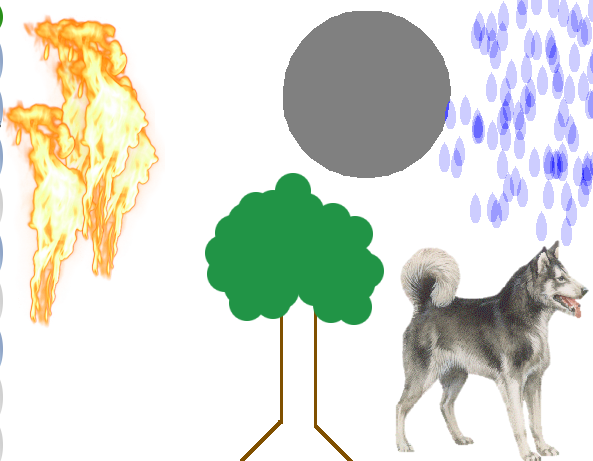
Kennings


Kennings

1. Fire- ice melter
2. Stone- window cracker
3. Tree- oxygen keeper
4. Rain- hair ruiner
5. Dog- cat scarer

Day and Night


Day and Night


In the day women stroll through
the park and kids race along the
unusual pathway to school.

At night teachers leave
the school after teaching
the hyper active kids.


Wednesday, 26 September 2012

A Boy's head


A Boy’s Head

In it there is a food court
and a project
for doing away with maths.

And there is
hamburger,
which comes first.

And there is
an entirely new world,
an entirely new milkshake,
an entirely new burger,

There is a burger
that is eating chips.

There is a school.

There is a anti-yuck burger

And it cannot be held back.

I believe
that only what cannot be held back
is a head.

There is much promise
in the fact that
so many people have heads.


Thursday, 30 August 2012

Wood Tech

Room 6 is at Tamaki Collage putting the finishing touches on our planes.  My friends and I worked hard to finish our planes.  Our Wood Tech teacher, Mr Thomas showed us what all the tools are for.  Everyone enjoyed themselves while we were there.  At the end of the sessions everyone got to take their projects home to show off to their families.
Monday, 13 August 2012

I asked the little boy who cannot see


I asked the little boy who cannot see

I asked the little boy who cannot see,
‘And what is colour like?’
‘Why green,’ he said,
‘Is like trees blowing softly in the wind.
Purple is the lovely smell of violets,
Yellow is the warm sun shining on you
And orange is the feeling of sand between your toes.
Aqua is the lovely sound of flowing water.
White is the sound of happiness from others,
And red is the sweet taste of juicy strawberries

Tui Report


Tui Report

Tui are birds that have black feathers on their body and face, they also have a white turf underneath their chin.

A Tui’s habitat is usually in open country and gardens.  They also live in forest and scrub, the places with a good supply of nectar.  Tuis are found throughout New Zealand and the offshore islands, in spring they may travel outside their normal territory to feed.

The Tui’s call has a Bell-like notes, they croak, cough, and squeak as well.  They have a range of calls and are the first to sing in the morning.

Tui’s feed on fruit, nectar, insects, and berries.  The  young are fed tiny insects and nectar, and slightly older chicks are fed berries, moths, spiders and large insects, mostly stick insects.

November and December is the nesting season for Tui.  The Tui usually lays 2 to 4 eggs.  The Tui moves to off-shore islands to lay their eggs, when this happens it takes about 2 weeks for them to hatch.

Kane